
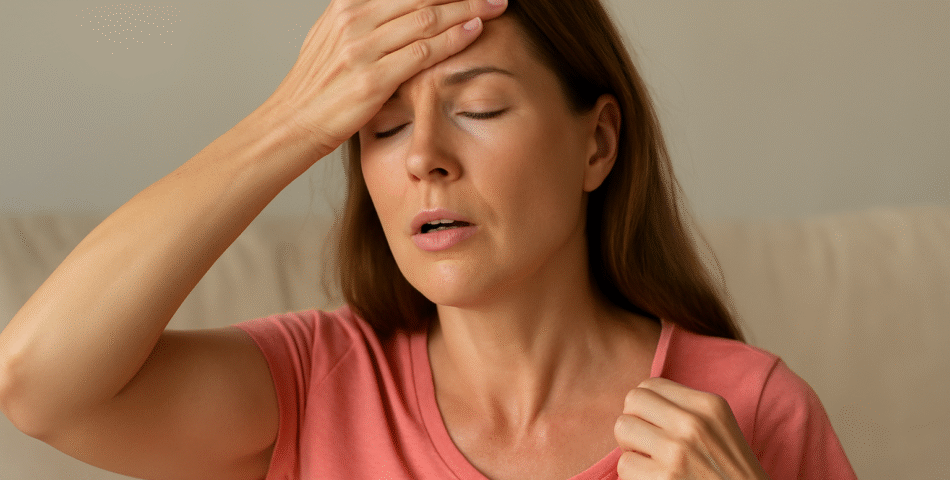
Understanding the Signs of Menopause at 40
Turning 40 can be a powerful milestone—but it may also mark the beginning of significant hormonal changes. One key change some women experience is the onset of menopause. While the average age of menopause is around 51, many women begin noticing the signs of menopause at 40 or even earlier.
Recognising these early symptoms can help you take proactive steps to protect your physical, emotional, and mental health. Menopause doesn’t happen overnight. It usually begins with perimenopause, the transition phase when hormones start to fluctuate—even if your periods haven’t stopped completely.
What Is Early or Premature Menopause? – Signs of Menopause at 40
If menopause begins between ages 40 and 45, it’s called early menopause. When it occurs before age 40, it’s known as premature menopause or Premature Ovarian Insufficiency (POI). In both cases, the ovaries stop functioning properly years before the typical age of menopause.
Ordinarily, the ovaries produce hormones like oestrogen and progesterone, which regulate the menstrual cycle, fertility, mood, bone health, and more. In early or premature menopause, hormone production declines much sooner than expected—triggering many of the early signs of menopause at 40.
What’s Happening in the Body?
- Egg release slows or stops, reducing fertility
- Oestrogen levels drop, which leads to symptoms like hot flushes, irregular periods, and brain fog
- The brain increases its production of FSH (Follicle-Stimulating Hormone) in an attempt to stimulate the ovaries, but they no longer respond effectively
To learn more about the medical background and diagnosis of early menopause, visit the NHS guide to early and premature menopause:
https://www.nhs.uk/conditions/early-or-premature-menopause
What Are the Early Signs of Menopause at 40?
The early signs of menopause at 40 may be subtle at first. You might attribute them to stress, lifestyle, or simply getting older. However, knowing the full list of possible symptoms will help you understand if what you’re experiencing is related to hormonal shifts.
Common signs of menopause at 40 include:
- Irregular periods
- Hot flushes and night sweats
- Mood swings, anxiety, or low mood (explore more on premenopausal depression symptoms at She Talks+)
- Difficulty concentrating or “brain fog”
- Sleep problems or insomnia
- Vaginal dryness and discomfort during sex
- Decreased libido
- Fatigue or low energy
- Hair thinning or changes in skin
- Joint aches and muscle pain (read more about joint pain during perimenopause at She Talks+)
- Back discomfort or stiffness (see causes and relief tips for back pain with perimenopause at She Talks+)
- Frequent UTIs or bladder issues
- Heart palpitations or tinnitus
Each woman’s experience is different. You may have many of these symptoms or just a few, but they are all valid indicators of early menopause.
Causes Behind the Signs of Menopause at 40
Understanding the causes of signs of menopause at 40 can help you better manage what’s happening to your body. While early menopause can happen naturally, sometimes it is triggered by specific medical or genetic factors.
Possible causes include:
- Genetics
- Autoimmune disorders
- Surgical removal of ovaries
- Cancer treatments
- Smoking or toxin exposure
How to Confirm the Signs of Menopause at 40
If you’re under 45 and experiencing unusual symptoms, speak to your GP. To confirm the signs of menopause at 40, your doctor may:
- Review your menstrual history
- Order blood tests to measure FSH, oestrogen, or AMH levels
- Rule out other conditions
- Refer you to a specialist if needed
For women under 40, tests may help diagnose Premature Ovarian Insufficiency (POI).
Managing the Signs of Menopause at 40 Effectively

You don’t have to suffer in silence. There are many options to manage the signs of menopause at 40, including:
- Hormone Replacement Therapy (HRT)
- Cognitive Behavioural Therapy (CBT)
- Nutrition and exercise
- Lubricants or vaginal oestrogen
- Support groups or Menopause Cafés
- Stress management techniques
Early treatment can improve your day-to-day well-being and protect long-term health—especially bones, heart, and brain function.
FAQs – Signs of Menopause at 40
1. What are the first signs of menopause at 40?
The first signs of menopause at 40 often include irregular periods, hot flushes, and changes in mood. Some women may also notice sleep problems, brain fog, or a reduction in libido. These symptoms are part of perimenopause—the early phase of menopause when hormone levels begin to fluctuate.
2. Is it normal to have menopause symptoms at 40?
Yes, it’s more common than people think. While menopause usually happens between 45 and 55, about 5% of women experience early menopause between 40 and 45. If symptoms start before age 40, it may be premature menopause or Premature Ovarian Insufficiency (POI).
3. How do I know if I’m going through early menopause at 40?
If you’re under 45 and experiencing persistent symptoms like irregular periods, hot flushes, mood swings, or fatigue, it’s worth seeing your GP. They may order blood tests to check your FSH and oestrogen levels, which can help confirm early menopause.
4. Can stress or lifestyle cause signs of menopause at 40?
While stress and lifestyle can worsen symptoms like fatigue or mood swings, they don’t cause menopause. However, smoking, being underweight, or having certain medical treatments can increase the risk of early menopause.
5. What are the long-term risks of early menopause?
Experiencing menopause at 40 can increase your risk of osteoporosis, heart disease, and cognitive decline due to long-term low oestrogen levels. That’s why early diagnosis and treatment—like HRT or lifestyle changes—are important to protect your long-term health.
6. Can I still get pregnant if I’m showing signs of menopause at 40?
It may still be possible, especially if you’re in perimenopause and still ovulating occasionally. However, fertility is lower and less predictable. For more information, visit this helpful guide on perimenopause and pregnancy at She Talks+.
7. Should I see a doctor about signs of menopause at 40?
Yes. If you’re experiencing physical or emotional symptoms that affect your quality of life—or if you’re under 45 and your periods have changed—it’s important to speak with a GP. Early intervention can help manage symptoms and reduce future health risks.
Final Thoughts: Take Charge of the Signs of Menopause at 40
The signs of menopause at 40 can feel unexpected and even overwhelming, but they are more common than many women realise. By learning to recognise the symptoms and seeking timely support, you can take control of your health and navigate this phase with clarity and confidence.


