

At She Talks Plus, we believe nutrition should empower you—not confuse or exhaust you with endless rules and restrictions. In a world full of fad diets, conflicting advice, and one-size-fits-all wellness plans, it’s easy to feel like eating healthy is just another item on your already overwhelming to-do list. But it doesn’t have to be that way. That’s why we’re here to share healthy diet tips designed specifically for women—tips that are simple, sustainable, and rooted in real life.
Whether you’re managing hormonal changes, navigating your 40s, or trying to stay strong and energized, the right nutrition can make all the difference. Curious how small shifts in your diet can transform your energy, your hormones, and even your mood? Keep reading—you might be surprised by how simple (and satisfying) healthy eating can be.
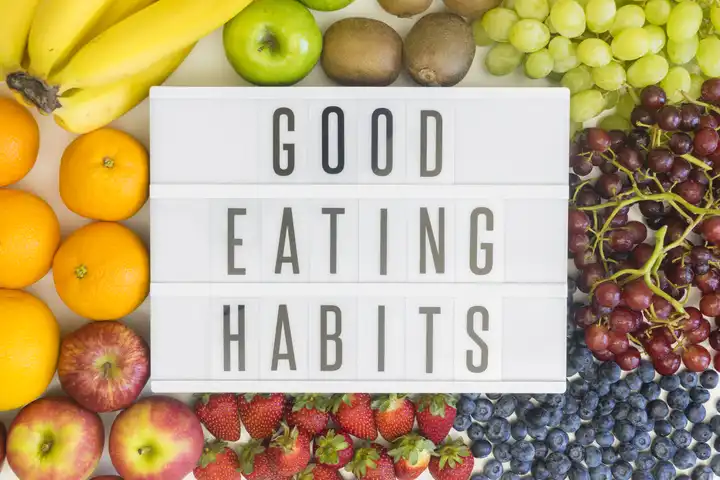
The Science Behind Healthy Diet Tips
Why do these tips work? Because they’re grounded in research, not just wellness buzzwords. A balanced, whole-food-based diet has been shown to:
- Reduce inflammation
- Improve hormonal balance
- Support brain and gut health
- Lower the risk of chronic disease
The Harvard School of Public Health recommends focusing on vegetables, whole grains, healthy fats, and lean proteins while limiting sugar, refined grains, and red meat. These principles lay the foundation for a long-lasting, energizing, and disease-fighting way of eating.
Healthy Diet Tips for Women with Busy Lifestyles
Busy days don’t mean your nutrition has to suffer. These healthy diet tips are perfect for women constantly on the move—and they’re designed to be simple, satisfying, and easy to prep.
Pack Smart Snacks
Choose snacks that combine protein, fiber, and healthy fats:
- Boiled egg + 10 almonds + 5 baby carrots
- 1 mini Babybel cheese + 1 small apple
- 2 tbsp trail mix (unsweetened dried fruit + raw nuts)
- 150g Greek yogurt + 1 tsp honey + chia seeds
Plan Quick, Balanced Meals (Under 20 Minutes)
Meals don’t need to be complex to be effective. Quick options like a quinoa bowl with chickpeas and greens or a spinach salad with eggs and avocado can make a difference in how you feel and function.
If you want a full week mapped out for you, check out our 7-day healthy meal plan for women over 40:
Hydrate Throughout the Day
Proper hydration supports digestion, cognition, and even cravings:
- Aim for 2–2.5 liters of water daily
- Carry a 750 ml bottle and refill it throughout the day
- Infuse your water with lemon, cucumber, or mint for variety
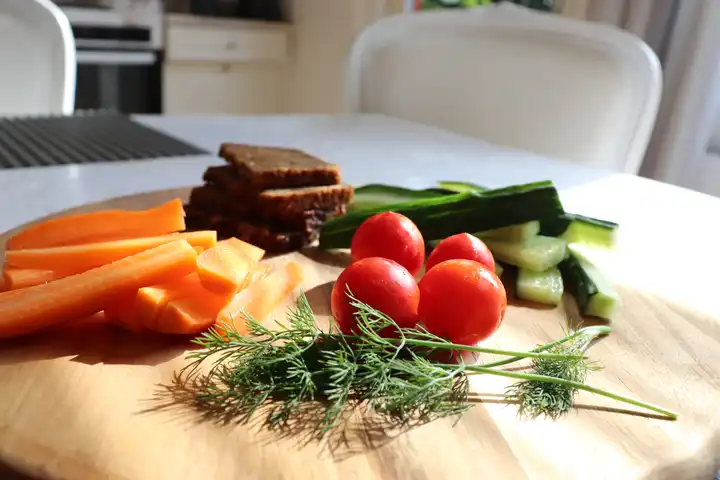
Healthy Diet Tips for Women’s Hormones and Energy
Your hormones don’t need a crash diet—they need steady nourishment. These healthy diet tips can help stabilize mood, energy, and menstrual cycles:
- Include healthy fats like salmon, flax, and avocado for hormone production
- Prioritize magnesium-rich foods like leafy greens to reduce PMS symptoms
- Choose complex carbs like sweet potatoes and oats to regulate blood sugar
- Cut back on refined sugar and caffeine, especially in the days leading up to your period
Learn more about hormonal support in our pre-menopause nutrition guide.
Healthy Diet Tips for Women Who Want Sustainable Weight Confidence
Forget scale obsession—focus on feeling strong and nourished. These healthy diet tips are about sustainability:
- Aim for 0.8–1.2g of protein per kg of body weight
- Eat regularly—skipping meals slows your metabolism
- Don’t just count calories; listen to your hunger, energy, and fullness cues
- Let go of guilt; food is fuel and pleasure
Pair these tips with strength training for long-term results.
Healthy Diet Tips for Real Women Living Real Lives
Life isn’t perfect, and your diet doesn’t need to be either. Focus on strategies that support your lifestyle:
- Prep in batches—roast veggies, cook grains, chop fruit once a week
- Shop the perimeter of the grocery store for whole, fresh foods
- Use the 80/20 rule—eat nutrient-rich foods 80% of the time, and enjoy the rest without shame
- Choose simplicity over trends—no need for fancy powders or strict plans
Not sure what counts as “real food“? Learn more in our guide.
Healthy Diet Tips to Help You Feel Strong, Not Just Skinny
The goal isn’t to be smaller—it’s to be stronger, more energized, and at peace in your body. These healthy diet tips will help you get there:
- Hydrate properly to reduce bloating and fatigue
- Prioritize nutrients like iron, calcium, and omega-3s
- Respond to your body’s cues—cravings, hunger, energy dips—they all matter
- Focus on what you can add (more fiber, more color, more balance), not just what to remove
What This Really Comes Down To
These healthy diet tips are about more than what’s on your plate—they’re about how you show up for yourself. Real nourishment doesn’t come from restriction, guilt, or chasing trends. It comes from listening to your body, trusting your intuition, and making choices that support your energy, your confidence, and your life.
You don’t need to do it perfectly. You just need to begin—one smart, satisfying choice at a time.
Because when women eat with intention, we don’t just feel better—we lead better, love better, and live better.
Frequently Asked Questions (FAQ)
1. Do I need to follow all of these healthy diet tips to see results?
No! Even small changes—like drinking more water or adding more protein—can make a noticeable difference in your energy, mood, and digestion. Start with 1–2 tips and build from there.
2. How much protein should I be eating daily as a woman?
Most women need between 0.8 to 1.2 grams of protein per kilogram of body weight. For example, if you weigh 65 kg (143 lbs), aim for 52–78 grams of protein per day, depending on your activity level.
3. Are processed foods always unhealthy?
Not necessarily. Some processed foods (like frozen veggies or canned beans) can be nutritious and convenient. What matters most is avoiding ultra-processed foods with added sugars, artificial additives, and little nutritional value. Learn more:
4. What if I’m in my 40s or approaching menopause—do these tips still apply?
Absolutely. In fact, this is a key time to nourish your body wisely. Check out our full guide here:
5. I don’t have time to cook every day. What’s the best way to stay on track?
Meal prepping just once or twice a week can make a huge difference. You can also use our 7-day meal plan to help save time and reduce food decision fatigue:


