

The one meal a day diet (OMAD) has gained popularity for its simplicity and potential health benefits. For women navigating busy schedules, hormonal changes, or wellness goals, OMAD can seem like an appealing option. But before you dive in, it’s important to understand how this diet works, how it affects women specifically, and whether it aligns with your long-term health goals.
For more on foundational eating habits, see our guide to healthy diet tips for women.
One Meal a Day Diet: How It Works
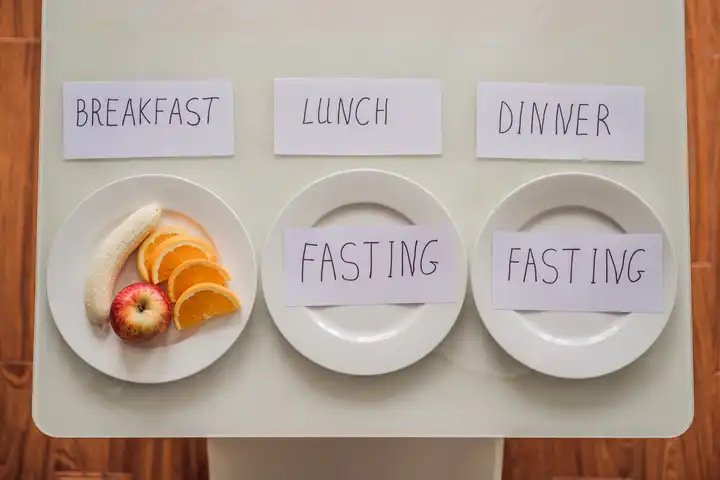
The one meal a day diet involves consuming all your daily calories in a single meal within a one-hour eating window. For the rest of the day, you fast—consuming only water, black coffee, or tea. The goal is to reduce overall calorie intake, improve metabolic function, and simplify eating habits.
This extreme form of intermittent fasting is rooted in the idea that longer fasting periods give the body time to reset, burn fat, and stabilize blood sugar. However, it places a lot of demand on your body, especially if you’re active or managing hormonal fluctuations.

One Meal a Day Diet Benefits for Women
Many women are drawn to the one meal a day diet for its potential perks:
- Simplicity: No need for multiple meals or meal prep throughout the day.
- Weight loss: Fewer meals often means fewer calories, which can lead to fat loss.
- Mental clarity: Some women report sharper focus and fewer energy crashes during fasting windows.
- Reduced inflammation: Longer fasting periods may support cellular repair and lower inflammation.
That said, every woman’s body is different—and what works well for one may not be ideal for another. If you’re in perimenopause, be sure to read The Best Diet to Lose Weight During Perimenopause.
One Meal a Day Diet and Women’s Hormones
Women’s bodies are particularly sensitive to energy deprivation. The one meal a day diet can, in some cases, disrupt hormonal balance—especially during the reproductive years. Potential side effects include:
- Irregular periods
- Fatigue or mood swings
- Slowed metabolism
- Thyroid imbalances
Women going through perimenopause or menopause may respond differently to fasting. Some find it beneficial, while others may experience worsening symptoms. You might also find insight in The Struggle of Weight Loss in Premenopause.

Science Behind the One Meal a Day Diet
Scientific studies show that intermittent fasting, including OMAD, can support metabolic health by improving insulin sensitivity, promoting fat oxidation, and reducing oxidative stress. A 2019 review in the New England Journal of Medicine found that various forms of fasting may also enhance cellular repair and reduce markers of inflammation.
However, research also indicates that women may be more vulnerable to the stress of prolonged fasting. Studies suggest that fasting can alter reproductive hormones and impact the hypothalamic-pituitary-gonadal axis, particularly in premenopausal women. While men generally tolerate fasting well, women may need to approach OMAD more cautiously to avoid disruptions to hormone balance.
Experts often recommend starting with time-restricted eating (such as the 14:10 or 16:8 method) and monitoring closely for changes in mood, menstrual cycles, and energy levels.
Cortisol, the body’s primary stress hormone, is also worth paying attention to. Studies suggest that prolonged fasting can increase cortisol levels, especially in women. Elevated cortisol may lead to sleep disturbances, increased belly fat, anxiety, and hormone disruption. Because cortisol naturally spikes in the morning, combining that with prolonged fasting could compound stress signals in the body. This makes OMAD a more demanding choice for some women and highlights the importance of listening to your body and adjusting accordingly.

One Meal a Day Diet in Real Life: Carol Vorderman & Jennifer Aniston
Several well-known women have explored fasting in different forms, and their experiences offer insight:
Carol Vorderman
British presenter Carol Vorderman has shared that she eats just one meal a day, typically in the late afternoon. She credits this routine with improved energy and health, especially in her 60s. While she doesn’t label her approach as OMAD, it mirrors the principles of the one meal a day diet, especially when combined with exercise and mindful eating. You can read more in her interview with The Independent.
Jennifer Aniston
Jennifer Aniston follows a more flexible intermittent fasting routine, often skipping breakfast and eating within an 8-hour window. Though not a strict OMAD practitioner, her approach shows how time-restricted eating can offer similar benefits in a more moderate, sustainable way.
Should You Try the One Meal a Day Diet?
The one meal a day diet can be effective for some women—particularly those in midlife looking for simplicity and weight management. However, it’s essential to listen to your body, start gradually, and consult with a healthcare provider if you have any underlying conditions.
Better alternatives for beginners might include:
- 14:10 or 16:8 intermittent fasting windows
- Ensuring nutritional balance in your one meal (if you try OMAD)
- Combining fasting with strength training or mindful movement
Bloating or digestive discomfort during fasting? You may want to explore what you’re doing wrong that’s making your tummy bloated.
Final Thoughts on the One Meal a Day Diet for Women
The one meal a day diet isn’t a one-size-fits-all solution. For some women, it can offer energy, clarity, and freedom from food routines. For others, it may disrupt hormone balance or trigger unwanted side effects.
At She Talks+, we believe in informed choices, shared experiences, and doing what works for your body. If you’re considering OMAD, start slow, stay tuned into your health, and remember—you don’t have to follow a trend to thrive.
One Meal a Day Diet: Q&A for Women
Q: Is the one meal a day diet safe for women? A: It can be safe for some women, especially in midlife, but it’s not ideal for everyone. Women with hormonal imbalances, eating disorders, or certain medical conditions should consult a healthcare provider before trying OMAD.
Q: Can OMAD cause hormonal issues?
A: Yes, particularly for women in their reproductive years. It may cause menstrual irregularities, fatigue, or thyroid disruption if not managed carefully.
Q: How do I make sure I get enough nutrients on OMAD?
A: Plan a well-balanced meal rich in protein, fiber, healthy fats, and a variety of vegetables. Some women also include a small snack or supplement to help meet nutritional needs.
Q: Is OMAD good for weight loss?
A: It can be effective for weight loss due to calorie restriction, but it’s not magic. Sustainable results depend on the quality of food, stress management, and physical activity.
Q: Can I drink coffee or tea during the fasting period?
A: Yes, non-caloric beverages like water, black coffee, and unsweetened tea are usually allowed during fasting hours.
Q: Should women over 40 try OMAD?
A: Women over 40 may benefit from OMAD, especially if it fits their lifestyle and supports hormonal balance. But it’s still important to monitor how your body responds and consider gentler fasting alternatives if needed


