
Homemade Skin Treatment: Why You Should Rethink Your Skincare Routine
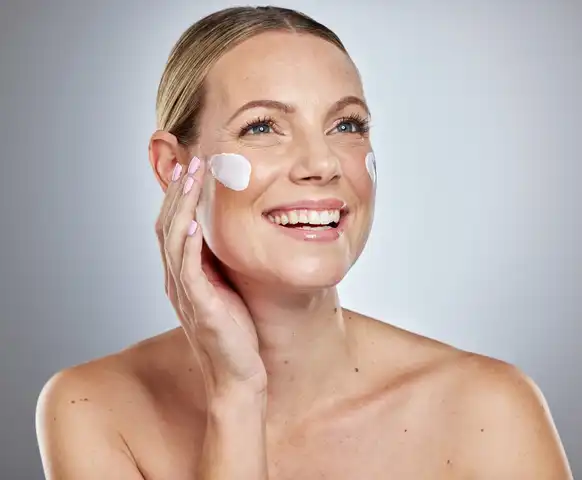
10 powerful reasons are driving more people to reconsider their skincare routines. Have you ever thought about what exactly goes into your body when you buy a skincare product? In today’s world, we’re bombarded with information, yet it’s easy to overlook the hidden dangers lurking in our everyday beauty products. Many popular skincare items contain chemicals that might do more harm than good. Ingredients like parabens, phthalates, synthetic fragrances, and formaldehyde-releasing preservatives can irritate the skin, disrupt hormones, and even contribute to long-term health issues. That’s why more people are turning to a homemade skin treatment approach—to avoid toxic additives and take full control over what goes on their skin.
Keep reading, because what you learn here could completely change how you care for your skin. If you’re interested in skincare DIY, this guide will help you make informed, healthy decisions. The truth is, you can actually make your own skincare products at home to ensure that only the safest, most beneficial ingredients touch your skin.
Research shows that natural ingredients such as honey, turmeric, green tea, oatmeal, and aloe vera have powerful anti-inflammatory, antibacterial, and antioxidant properties. Not only are they effective, but they’re also easy to find and affordable.
A 2016 review in the Journal of Clinical and Aesthetic Dermatology confirms that botanical extracts and natural ingredients provide significant skincare benefits—including acne reduction, skin hydration, and wrinkle prevention.
1. Homemade Skin Treatment Avoids Harsh Chemicals
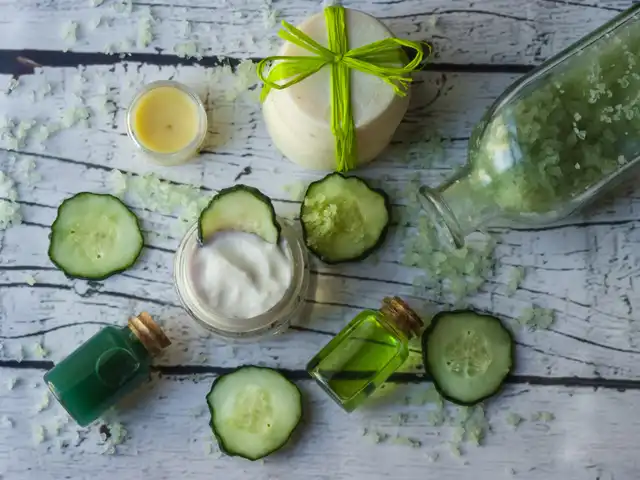
Many commercial skincare products contain synthetic additives that can be harmful. Parabens, for instance, are preservatives linked to hormonal disruptions, while phthalates—often used in fragrances—have been shown to affect reproductive health. Formaldehyde-releasing agents like DMDM Hydantoin are still used in some products, despite being classified as carcinogenic. Homemade skin treatment eliminates these risks by relying on clean, transparent ingredients.
2. Homemade Skin Treatment Uses Potent Natural Ingredients
Turmeric, rich in curcumin, has proven anti-inflammatory effects. A study published in *Phytotherapy Research* (2016) noted its ability to calm irritated skin, reduce redness, and fight acne. Similarly, honey contains glucose oxidase, which produces hydrogen peroxide—a natural antiseptic. It is both hydrating and antimicrobial, making it perfect for skin prone to breakouts. Aloe vera, known for its cooling effects, is clinically proven to aid wound healing and improve skin hydration according to research in the *Indian Journal of Dermatology*.
3. Homemade Skin Treatment Is Cost-Effective
Aloe vera gel, oats, turmeric, and yogurt cost just a few dollars and last for multiple uses. When you make your own skincare, you skip the markup, branding, and packaging costs of store-bought items, making it far more affordable.
4. Homemade Skin Treatment Is Customizable to Your Skin Type
No two people have the same skin. Homemade recipes can be easily tailored—use more yogurt for oily skin, add avocado for dry patches, or mix oatmeal for sensitive skin. Personalization is a major benefit of homemade skin treatment.

5. Homemade Skin Treatment Supports Skin Barrier Repair
The skin barrier is your body’s first defense against toxins. Harsh exfoliants and alcohol-based toners can damage it. Natural ingredients like colloidal oatmeal and shea butter have been shown to restore the skin’s lipid layer, according to a review in the *International Journal of Molecular Sciences* (2018).
6. Homemade Skin Treatment Enhances Skin Glow and Texture
Green tea extract, rich in polyphenols, is a powerful antioxidant. A study in the *Journal of the American Academy of Dermatology* showed that it reduces oxidative stress and improves skin elasticity and brightness. Homemade scrubs with sugar and honey can exfoliate gently, revealing smoother skin underneath.
7. Homemade Skin Treatment Reduces Environmental Impact
Making your own skincare reduces plastic waste from bottles, pumps, and caps. You can reuse glass jars or eco-friendly containers. Additionally, you avoid contributing to the microplastic problem often caused by commercial exfoliants.
8. Homemade Skin Treatment Prevents Allergic Reactions
Many allergies come from added fragrances and preservatives. With homemade recipes, you can avoid all potential allergens and test each ingredient safely. Simple blends like aloe vera and honey are hypoallergenic for most people.
9. Homemade Skin Treatment Encourages Consistency and Self-Care
Skincare becomes a mindful practice when you create your own products. You’re more likely to stick with a routine when you connect with it. The preparation process itself can be meditative and enjoyable.
10. Homemade Skin Treatment is Backed by Ancient Wisdom and Modern Science
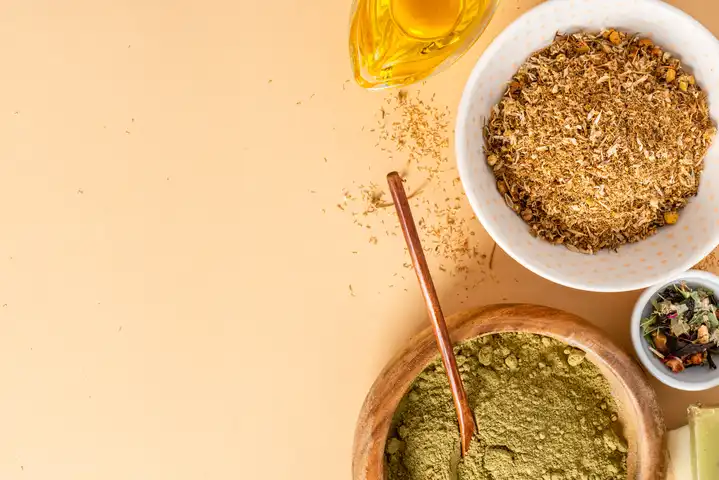
From Ayurveda to Traditional Chinese Medicine, natural ingredients have been used for centuries. Today, scientific validation backs many of these traditional practices, proving their effectiveness in treating inflammation, acne, and signs of aging. Check out this article about skin changes.
Homemade Skin Treatment: Ingredient Science Deep Dive
Turmeric contains curcumin, a compound extensively studied for its anti-inflammatory and antimicrobial properties. It helps in reducing acne, hyperpigmentation, and even slows aging. A double-blind placebo-controlled study in *Phytotherapy Research* found that a 4-week turmeric regimen improved skin tone and reduced fine lines.
Honey is a natural humectant, meaning it draws moisture into the skin. According to the *Journal of Cosmetic Dermatology*, manuka honey has exceptional wound-healing benefits and is effective against acne-causing bacteria.
Aloe vera’s polysaccharides hydrate the skin, while its glycoproteins promote healing. A review in the *Indian Journal of Dermatology* confirmed aloe vera’s ability to treat UV damage, minor burns, and skin inflammation.
Homemade Skin Treatment: How to Start Safely
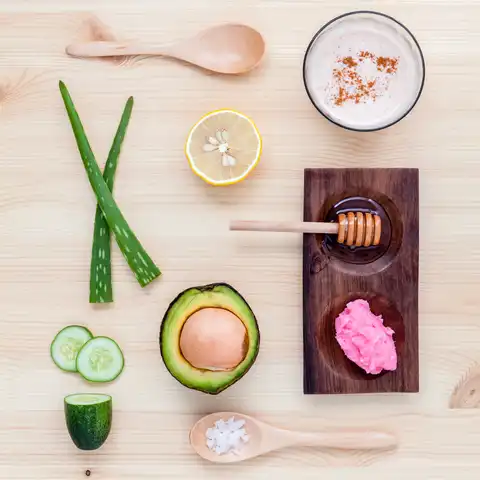
If you’re ready to try homemade skin treatment, start with a patch test to ensure your skin doesn’t react adversely. Always use clean utensils and containers to avoid contamination. Make small batches to ensure freshness and store them in the refrigerator if needed. Start with simple recipes using aloe vera, honey, or yogurt, and gradually explore more advanced combinations like green tea clay masks or turmeric night creams.
Homemade Skin Treatment: Final Thoughts
Homemade skin treatment empowers you to take control of your beauty routine using safe, natural, and effective ingredients. Whether you’re concerned about toxins, want to save money, or simply prefer a more natural approach, DIY skincare is a practical, enjoyable, and science-backed choice. With thousands of years of traditional use and modern studies to support their benefits, natural ingredients like honey, turmeric, and aloe vera are worth exploring.
Homemade Skin Treatment: Frequently Asked Questions (FAQ)
- Q1: How often should I use a homemade skin treatment?
It depends on the ingredients and your skin type. Gentle masks with honey or aloe vera can be used 2–3 times a week, while exfoliating scrubs with oatmeal or sugar should be used only once a week to avoid over-exfoliation. Most dermatologists recommend exfoliating (i.e. using scrub or mask) around two to three times per week, depending on your skin’s tolerance — with delicate or dry skin experts suggesting once a week .👉 For more guidance on mask frequency and how to match routines to your skin type, check out this in-depth Healthline article:
- Q2: Can I store homemade skincare products?
Yes, but they should be stored in airtight containers in the refrigerator and used within 5–7 days. Since they lack preservatives, freshness is key to avoid bacterial contamination.
- Q3: Are homemade treatments safe for sensitive skin?
Generally, yes—especially ingredients like oatmeal, chamomile, and aloe vera. However, always do a patch test first, and avoid highly acidic or abrasive ingredients like lemon juice or baking soda.
- Q4: Is turmeric safe for daily use on the face?
Turmeric is effective but potent. It’s best used 2–3 times a week. Always mix it with a base like yogurt or honey, and avoid using too much to prevent skin staining.
- Q5: What should I avoid when making homemade skin care?
Avoid combining reactive ingredients like lemon juice and baking soda. Also steer clear of essential oils unless properly diluted, and do not use any expired food-based ingredients.
- Q6: Do homemade treatments work for anti-aging?
Yes, especially those with antioxidants like green tea, turmeric, and vitamin E. Regular use can improve skin elasticity, reduce fine lines, and enhance glow.
- Q7: How long before I see results with homemade skincare?
Results vary, but most people notice visible improvements within 2–4 weeks of consistent use. Homemade skincare focuses on gentle, gradual healing rather than instant effects.


